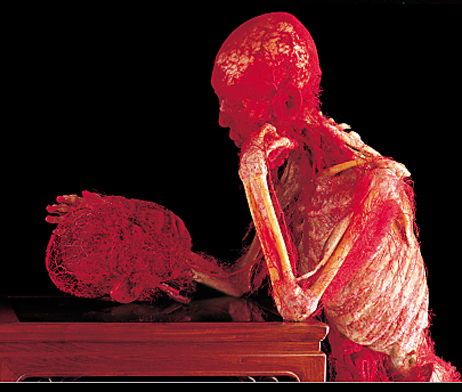
What is Plastination?
This technique is the process of plastination of various parts of dead organisms by special resins or polymers. In this process, the fatty layers and body fluids are replaced with polymers causing hardened tissues. Penetration of the unique polymers into the tissues can prevent organ damage or destruction. Plastination is a complex process require special equipment and high practical skills.
Processes of Plastination
Fixation
Fixation is the initial step of plastination. Formalin penetration into the body can eliminate the destructive microorganisms and prevent tissue decay. This step lasts one to several months, depending on the size of the specimens.
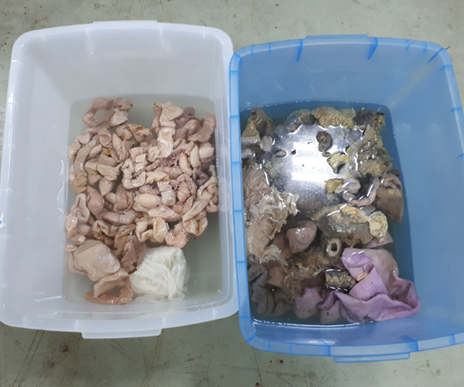
Anatomical Dissection of Specimens
Specimen dissection is started following fixation. In this procedure, the skin and connective tissues are removed. Based on technical and practical knowledge of anatomy, the final model of dissection is designed. According to the complexity of specimens, this procedure can take between 500 to 1,000 hours.
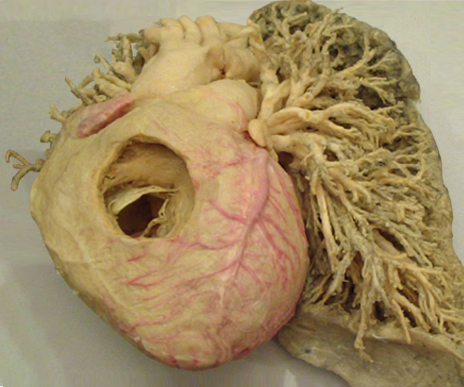
Elimination of Body Fat and Fluid
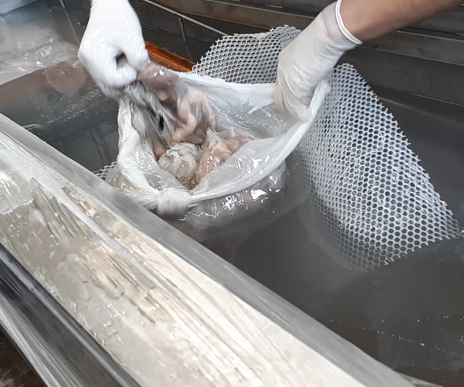
The main process of plastination is started after tissue dissection. At this stage, dehydrating solutions such as acetone is replaced with tissue fluids and fatty layers.
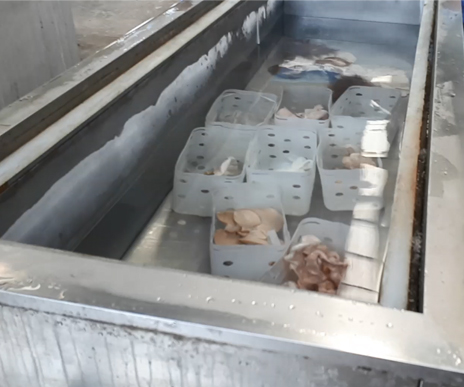
Forced Impregnation
In the process of Forced Impregnation, dehydration fluid (acetone) is removed from the tissue and replaced with a suitable polymer such as epoxy resin using a vacuum chamber. The vacuum can cause the acetone evaporation at a low temperature and replaced with the desirable polymers.
Positioning
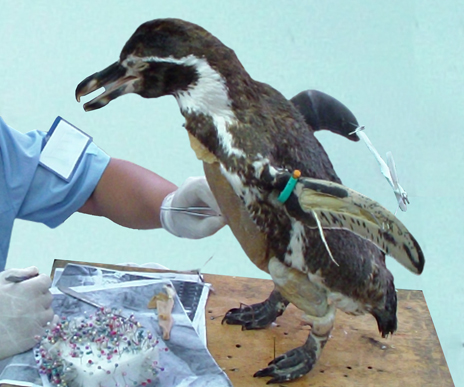
After vacuum impregnation, the body is still flexible which can be positioned as demanded. Every specific anatomical structure is adjusted and fixed using wires, needles, clamps, and foam blocks. Positioning requires deep anatomical knowledge and detailed understanding of aesthetics.
Final Preparation (Curing or Hardening)
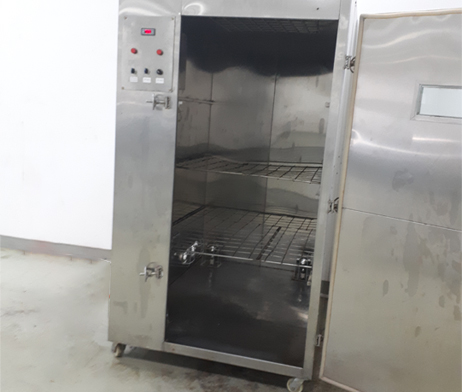
In the last step of plastination, the injected polymer must be hardened to prevent leaking from the specimens. Depending on the polymer, this procedure is performed using the gas, light, or heat. The curing preserves the plastinated specimens against decomposition or decay.
Whole implementation of these six steps for an entire body fixation requires about 1,500 working hours and approximately one year to complete.
Plastination and New Opportunities
Plastination is a technique of body preservation against destructive microorganisms. This technique provides a suitable opportunity for medical students, researchers, and the public to facilitate the access to natural anatomical structures of body and increase the knowledge of biology and anatomy. The plastinated specimens are permanent, dry, odorless and without health side-effects, therefore these materials are safe which provide adequate and effective educational opportunities for students. These specimens can also display the natural variations permanently. Also, pathological cases become preserved for future educational planes.
Many medical universities have been hired these plastinated human specimens, such as the Iran University of Medical Sciences, Shahid Beheshti University of Medical Sciences, Baqiyatallah University of Medical Sciences, Ahvaz University of Medical Sciences, and Yazd University of Medical Sciences.
Benefits of Plastination
As an Alternative to Artificial Models
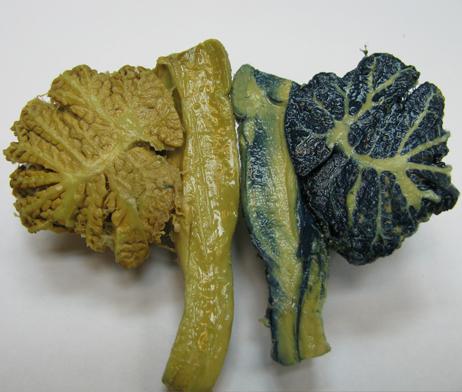
Artificial models are inaccurate with high cost of preparation and conservation. The quality of domestic artificial models is low and fragile than overseas productions such as Samso. Cellular structures of plastinated specimens are preserved, therefore these natural models are excellent alternatives instead of artificial models.
As an alternative to Formalin or Wet-based Specimens
Medical and veterinary students are educated by the formalin-fixed specimens known as dissection method. Its major challenges refer to the wet specimens with unpleasant odor, and the carcinogenicity of formalin. Also, this old technique is a time-consuming procedure and the specimens can not be transported out of the cadaver room.
Plastinated specimens can combine the theoretical and practical educations and prevent teachers and students to be exposed to harmful and carcinogenic gases.
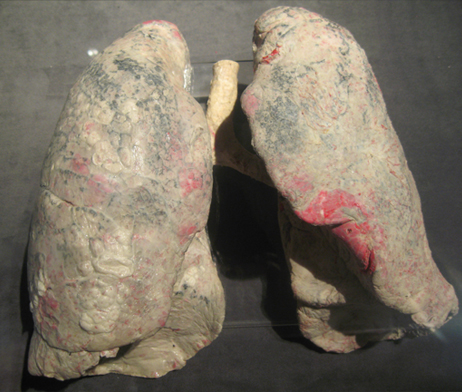
Environmental and Health Aspects of Plastinates
In plastination process, the toxic substances such as formalin and phenol exist in the lowest levels. Therefore, these models have no harmful environmental effects. Todays, there are global mandatory standards for medical universities to limit the application of formaldehyde fumes. Besides the consideration of the health of teachers and students, these plastinated models can also prevent environmental degradation.
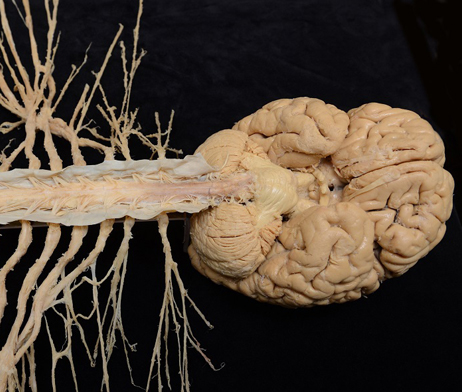
Effective Medical Education
Permanent plastinated models can provide effective educational tools based on the following reasons:
- Plastinated models have no unpleasant odor or fume than formalin-fixed specimens. In these case, the medical education can be applied with more interest.
- Because plastinates can guarantee the presence of explicit anatomical structures or specific abnormalities, the educational programs seem more effective.
- These specimens require low dissection time.
- Plastinates can also be educated outside the dissection rooms.
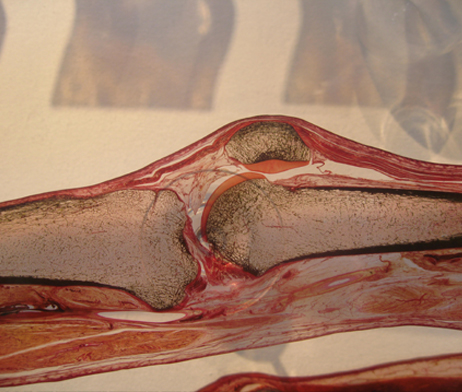
Role of Plastinates in Educational Universities Curriculum
Todays, the medical universities face many challenges for providing and preparing the natural human specimens for education due to the various legal, ethical and cultural restrictions. Application of these plastinated models can easily overcome these problems.
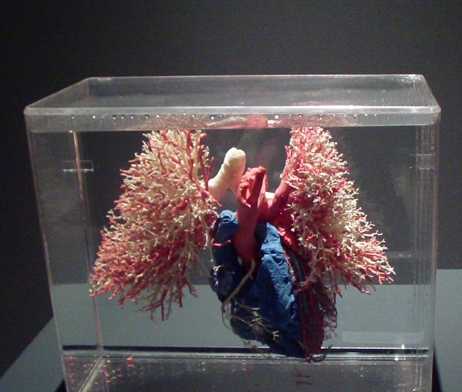
Economic Aspects
Increasing the admission of medical students along with high density of educational classes and low educational budgets have led to the imposition of economic burden on universities. In these situations, the plastinated specimens can improve not only the educational quality, it also has apparent economic aids for universities. While many wet dissected specimens require high cost and regular care programs, nothing is needed for conservation of plastinated specimens. Based on the high resistance, the plastinated cadavers can be used for many years, and therefore, the cost for cadavers preparation could be affordable.