
Natural Permanent Specimens of Organisms

that produce plastination model in the Middle East
Plastination is a modern fixation technique used for permanent preservation of anatomical specimens. In this technique, all fatty tissues and fluids of body are replaced with specific polymers causing tissue hardening with natural anatomic characteristics of organs. Although this technique was designed by Dr. Gunther Von Hagens in 1977, it has made remarkable progress so far. This technique is now localized in Iran by the Diar Tejarat Tadbir Company as a part of Technology Unit in Baqiyatallah University of Medical Sciences.
Specimens for Universities
Preparation of natural models for medical education, veterinary studies, museums of life sciences, and exhibitions are prepared by Diar Tejarat Tadbir Company.
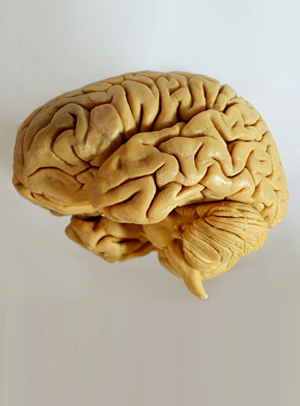
Human Brain Specimens
Nervous System
Neuroanatomy is one of the most interesting parts of medical education. Artificial models are used in neuroanatomy education due to the lack of natural specimens and the presence of many critical challenges for formalin-fixed specimens. Application of plastinated specimens on neuroanatomy education seem useful for deep understanding in this field of science.
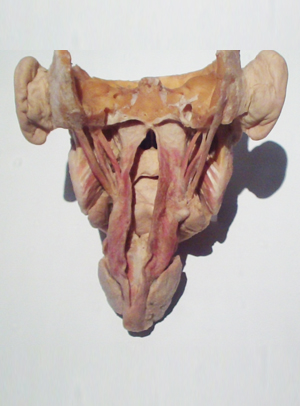
Head & Neck Specimens
Head & Neck Education
Due to the 3D complicity of anatomical features and the lack of proper formalin-fixed specimens of the region of human head and neck, the plastinated models can provide the easier medical education using 3D view of different regions.
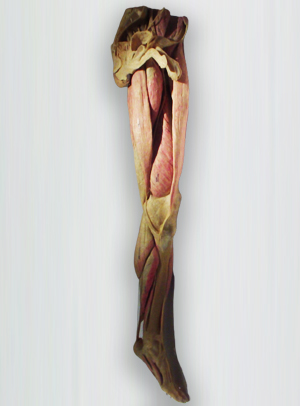
Extremities Specimens
Extremities Specimens
The education of nervous, muscular, and vascular system of upper and lower extremities is critical for all medical students, especially physiotherapists, occupational therapist and prosthetists. Plastinated models can improve the practical education for all fields of medical study.
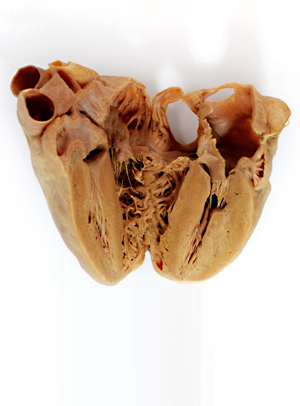
Organ Specimens
Organ Specimens
Using the different natural plastinated specimens of organs such as heart, lungs and liver, various educational needs of medical students can be met in the best way.
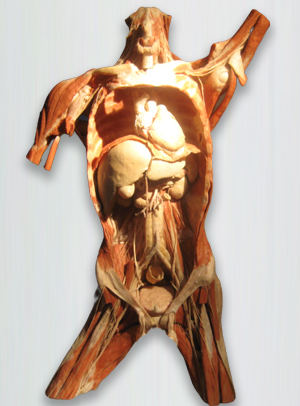
Total Body Specimens
Total Body Specimens
Practical education of medical students using plastinated models can be applied in desirable and exciting ways including no irritating odor and no direct contamination with carcinogens, such as formaldehyde and phenol vapors. Due to the restrictions of access to the human specimens in Iran, these permanent specimens are considered as proper alternatives.