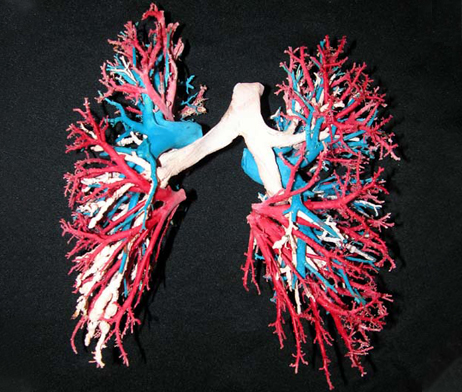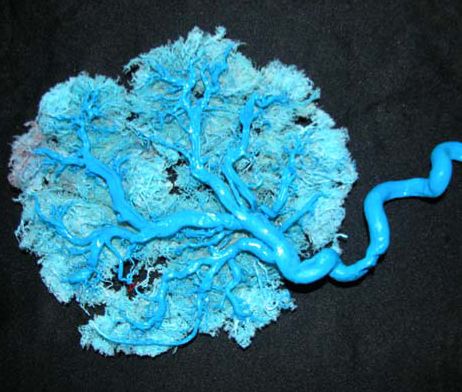
3D Specimens Prepared by Silicone Polymer (S10)
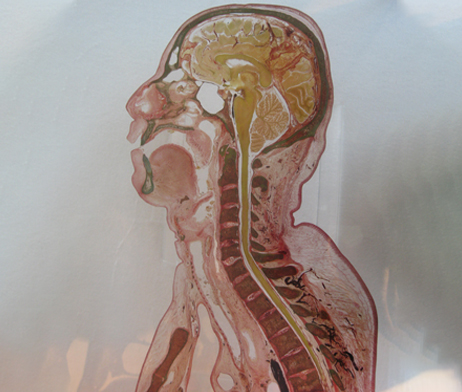
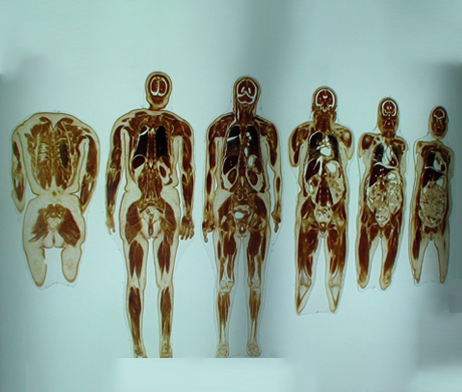
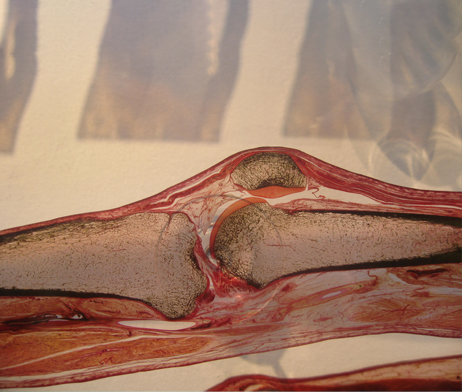
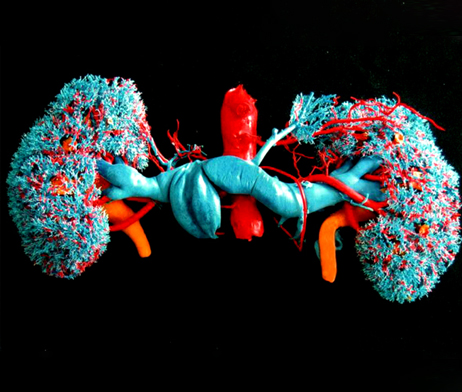
These models are used for education of medical and veterinary students, life sciences and institutions. The advantage of these models is explanation of structural details of the whole body or a specific part of organ such as heart, stomach and brain. Manipulation with plastinated models is a user-friendly process in which the quality of medical education is applicable to the maximum level. Besides, no unpleasant odor and toxic fumes are available in these types of models.
Whole mentioned steps of plastination process are applied to prepare the various models as below. Following figures are the most commonly used specimens in educational departments and life sciences museums.
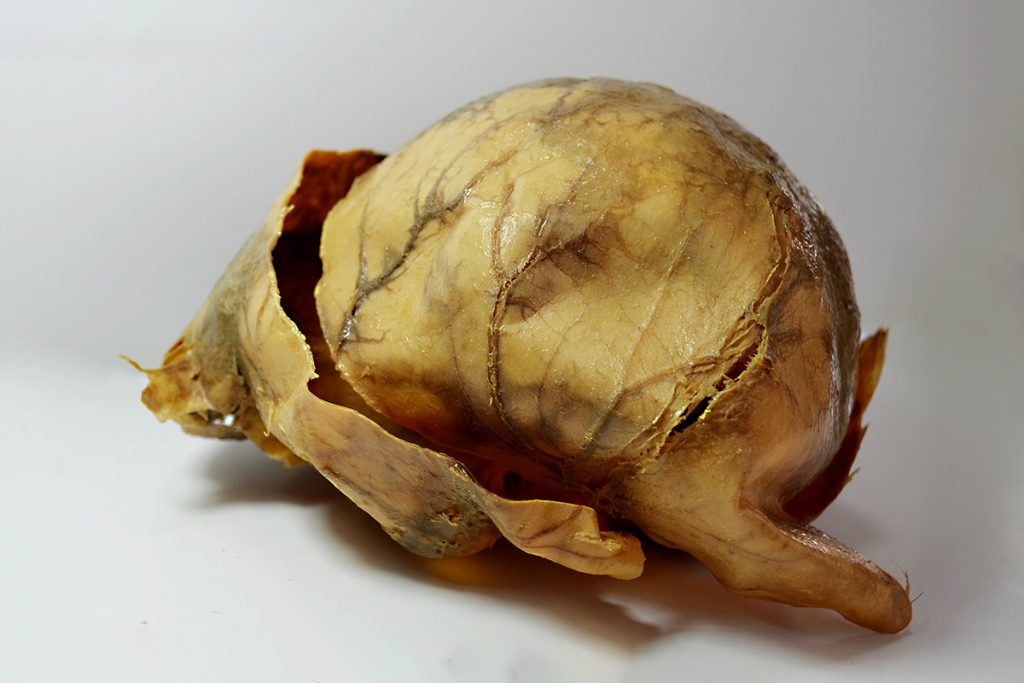
Duramater of human brain
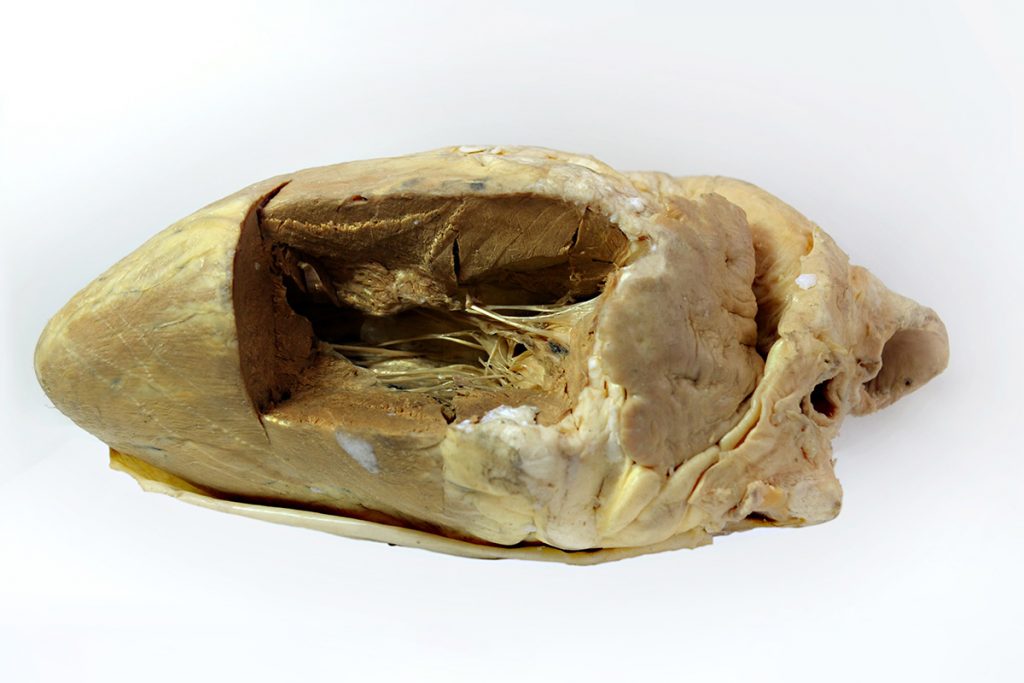
Bufalow heart
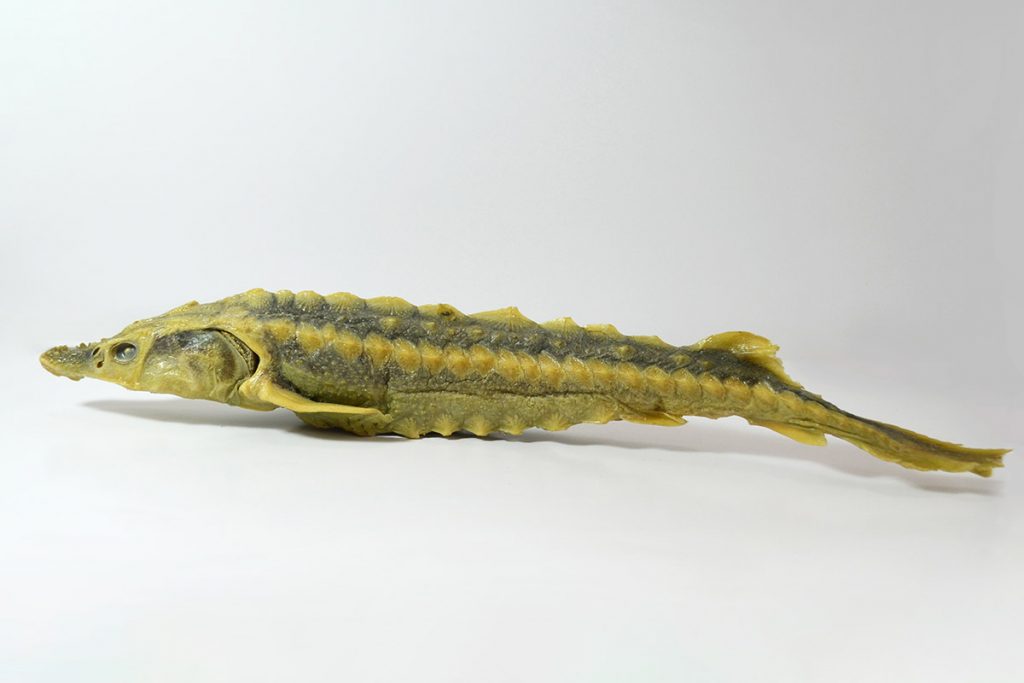
Sterogen fish
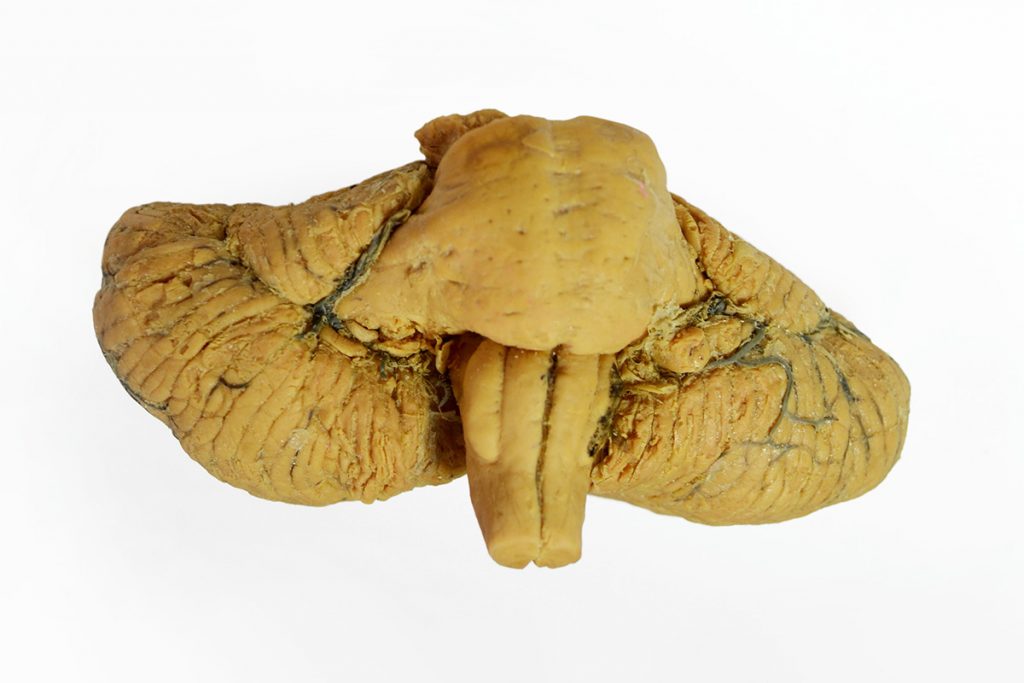
Cerebellum, pons and medulla oblongata of human brain
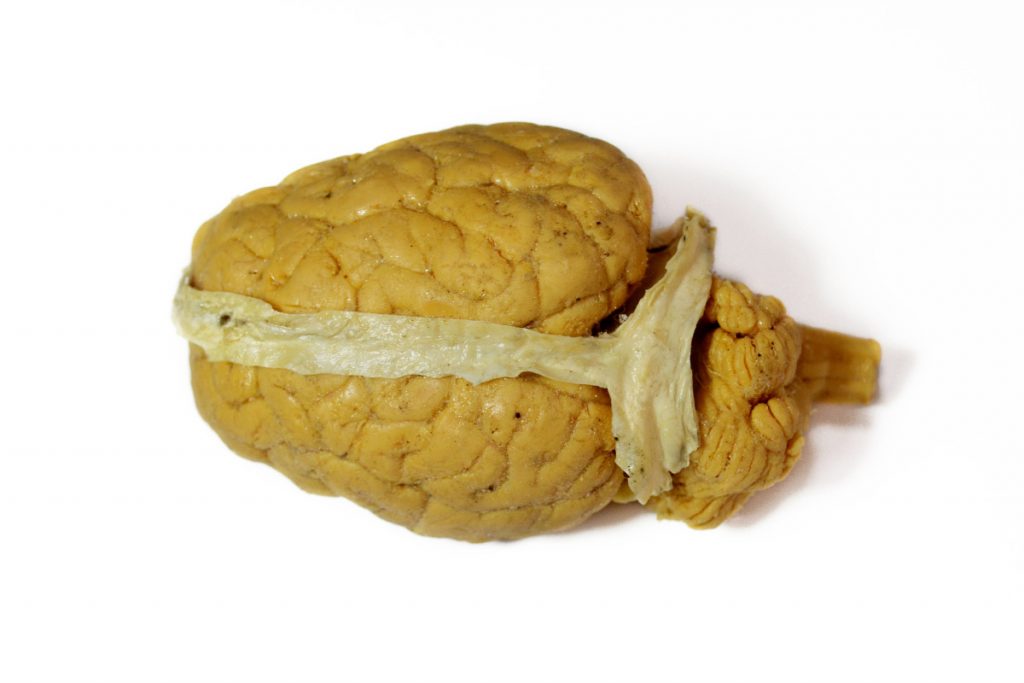
Sheep brain
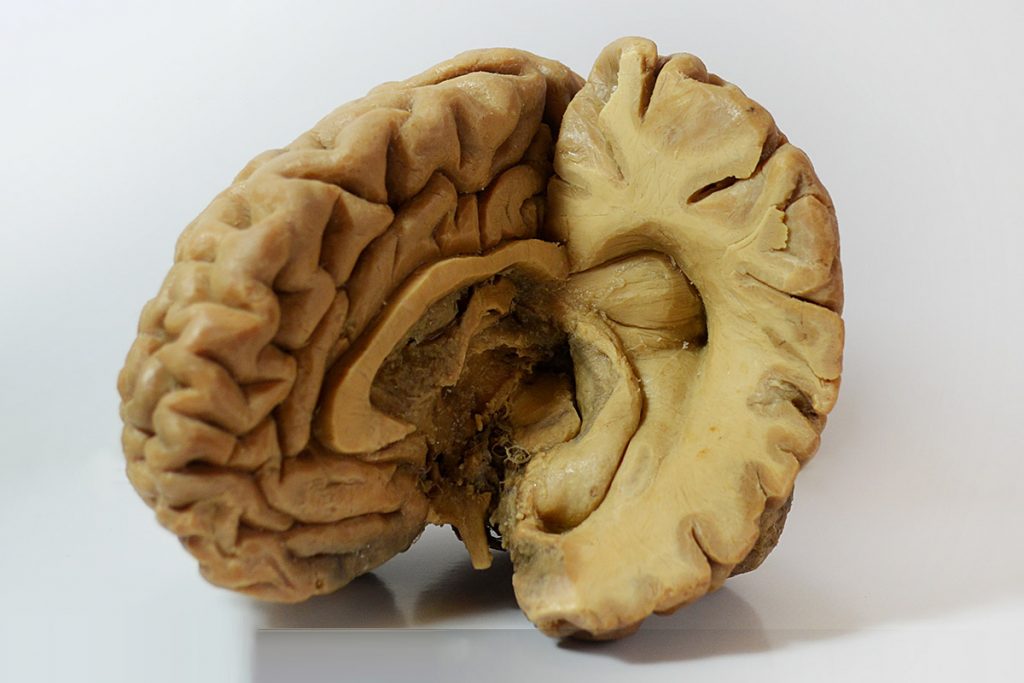
Section of human brain